Every year, the organization Expat Insider publishes its ranking of the best destinations for expatriates around the world.
Once again in 2025, Southeast Asia confirms its incredible attractiveness for foreigners looking to live, work, or start a business internationally. Thanks to this large international survey, many expatriates and future adventurers can gain a clearer idea of the countries where it is most enjoyable to settle.
At Knok Studios, the question of expatriation is particularly meaningful to us: our team has been living and working in Vietnam for more than ten years. During this time, we have lived in several of the country’s major cities, including Hanoi, Ho Chi Minh City, and Da Nang, and have witnessed firsthand the country’s extremely rapid development.
Between spectacular economic growth, infrastructure development, digital transformation, and increasing international openness, Vietnam has gradually established itself as one of Asia’s most dynamic destinations for expatriates.
Let’s take a closer look at what the Expat Insider 2025 study reveals about the lives of expatriates in this rapidly transforming country, and what you can expect if you decide to move to Vietnam in 2026, both in terms of the advantages and the challenges of living there.
How Is a Country Evaluated for Expatriation?
The Expat Insider study, based on feedback from more than 10,000 expats representing 172 nationalities and living across nearly 200 countries, includes opinions covering all the fundamental aspects of daily life, including:
- Quality of life: Leisure activities, happiness, travel and transportation, healthcare, safety, and access to technology.
- Ease of settling in: Making friends, sense of belonging, language.
- Work: Economic environment, job security, and career prospects.
- Family life: Education and overall well-being.
- Personal finances: Salaries and ability to save.
- Overall satisfaction
Where Should You Move Abroad? Southeast Asia Remains a Top Choice for Expats
The 2025 Expat Insider ranking includes 46 countries, among which several Southeast Asian nations hold very strong positions.
In the 2025 report, Thailand ranked #4, immediately followed by Vietnam (#5) and China (#6), then Indonesia (#8), Malaysia (#10), and the Philippines (#13). Singapore dropped significantly to 32nd place, while Japan ranked 33rd and South Korea came last among the Asian countries in the study at 44th place.
This is therefore an excellent performance for Southeast Asian countries, especially when compared with major European nations such as France (#27), the United Kingdom (#41), and Germany (#42), which rank much lower in terms of attractiveness for expatriates.
Where to Move in Asia? Vietnam as an Expat Destination
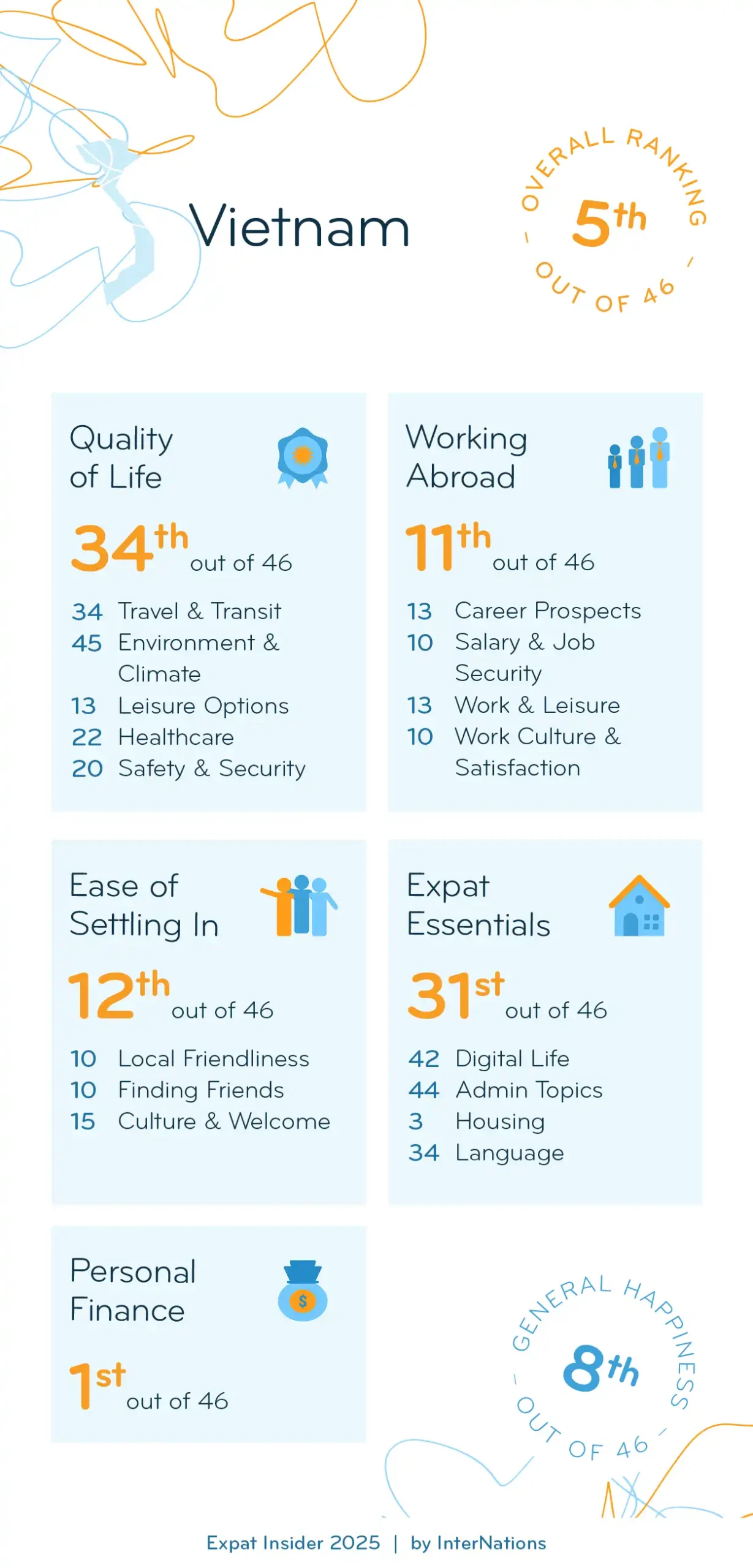
This may surprise some people, and yet… Vietnam truly ranks in 5th place in the 2025 ranking!
In this article, we will examine which aspects of this fascinating country are considered the most appealing by expatriates around the world, while also looking at the areas that still have room for improvement.
Why Live in Vietnam? The Advantages of Expat Life
1. Vietnam, an Almost Uncontested Champion of Jobs and Business
As we mentioned in our other articles, “Why Outsource Your Website to Vietnam” and “Doing Business with the French Community in Vietnam“: the country demonstrates undeniable economic dynamism.
With 8% GDP growth in 2025 (and an average of 6.28% between 2000 and 2018), and more than 10% growth in its major cities, the Vietnamese economy is expanding at an impressive pace. Trade openness, massive foreign investment, improvements in the education system, and rapid development of the domestic market are all key growth drivers.
Ho Chi Minh City and Hanoi have now become major economic hubs in Southeast Asia, attracting international investors, multinational companies, and startups.
As a result, the southern economic capital ranks 3rd and its northern rival ranks 7th among the most dynamic cities in the world according to the JLL City Momentum Index 2020!

According to the Expat Insider 2025 survey, Vietnam offers a particularly attractive work environment for expatriates.
The country ranks 11th out of 46 destinations worldwide for working abroad. Expats report generally feeling safe at work and benefiting from a good work-life balance. A significant portion of respondents even state that they work fewer hours than they did in their home country.
The relatively low cost of living also contributes to this appeal: expatriates can often improve their standard of living or save money more easily than in Europe or North America.
And what are the main professions of expatriates in Vietnam? The study reveals that about one third of them work in education: teachers, researchers, or academic staff. Educational demand is extremely high in the country, particularly in universities, international schools, and language centers.
Beyond this sector, expatriate profiles are very diverse. The rapid urban development, for example, fuels demand for architectural firms and professions related to urban planning.
The country also attracts many web freelancers: developers, designers, writers, marketing consultants, and SEO experts who are drawn by the low cost of living and the rapidly expanding entrepreneurial ecosystem.
French gastronomy is also well represented in major cities, with many restaurateurs, bakers, pastry chefs, and craftspeople who have been established there for several years.
Finally, other economic sectors also attract expatriates: textiles, wood, aquaculture, agricultural engineering, and tourism, all supported by the country’s rapid growth.
In short, for skilled professionals or entrepreneurs, Vietnam now offers numerous professional opportunities.
2. Vietnam, a “Financial Paradise”
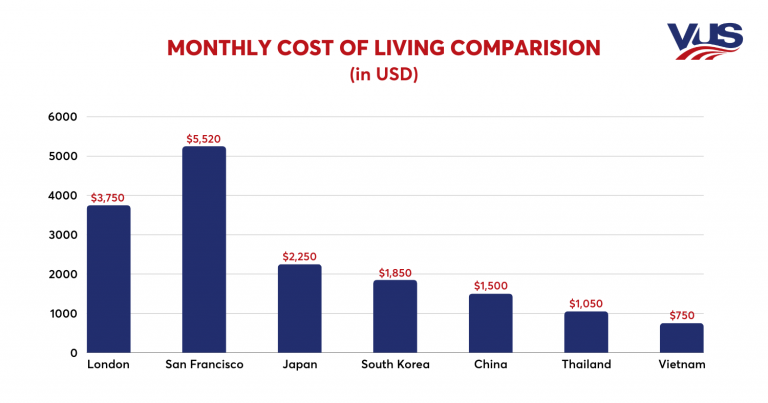
Cost of living is for many expatriates one of the primary reasons for moving to Vietnam.
In 2025, Vietnam ranks 1st worldwide for expatriate finances. An overwhelming majority of respondents report that their disposable income allows them to live much better than in their home country. Expats particularly highlight the very affordable cost of many expense categories: housing, food, transportation, and leisure.
With inflation below 4%, prices are rising at a relatively controlled pace given the country’s economic growth.
In daily life, this allows expatriates to enjoy a particularly comfortable standard of living: frequent dining out, spacious housing, household help, massages, and leisure activities become much more accessible than in many Western countries.
Many expatriates also take advantage of Vietnam’s central location in Asia to travel regularly at low cost throughout the region.
Learn more about the cost of living in Vietnam with Numbeo
3. Housing: A Market Especially Favorable for Expats
Another major advantage for expatriates is housing. According to the Expat Insider 2025 study, Vietnam ranks 3rd out of 46 countries in the Housing category.
Expats highlight both the ease of finding accommodation, the quality of modern residences available in major cities, and especially their relatively affordable prices.
In neighborhoods popular with expatriates, such as Thao Dien in Ho Chi Minh City or Tay Ho in Hanoi, it is possible to rent spacious apartments in complexes with swimming pools, gyms, and 24-hour security.
This housing accessibility greatly contributes to expatriates’ quality of life, allowing them to often live very comfortably on a reasonable budget.
4. Living in Vietnam: Simply Happiness
“Freedom, Independence, Happiness,” is Vietnam’s motto — and it seems the country largely delivers on this promise.
Expatriates from around the world rank Vietnam 8th in the personal happiness ranking.
Tropical climate, renowned cuisine, cultural richness, a sense of safety, and a generally more relaxed pace of life largely explain this satisfaction.

5. Leisure: A Country Perfect for Enjoying Life
Vietnam also performs very well in terms of leisure, ranking 13th out of 46 destinations in the Expat Insider 2025 study.
Expatriates appreciate the diversity of available activities: restaurants, cafés, sports, travel, beaches, hiking, or cultural experiences.
The country offers an incredible variety of landscapes: Ha Long Bay, northern mountains, central beaches, Mekong Delta… all easily accessible for a weekend or short vacation.
Social life is also very active in major cities, with numerous bars, international restaurants, sports clubs, and cultural events.
6. Friendliness of the Population
Expats find it relatively easy to settle in Vietnam, with the country ranking 12th in the Ease of Settling In Index.
They particularly note the friendliness of the local population, which ranks 10th in the “friendly towards foreigners” category.
The curiosity and kindness of Vietnamese people towards foreigners greatly contribute to making the expatriate experience more enjoyable and often facilitate daily interactions.
The Downsides of Expat Life in Vietnam
1. Health and Environment
Expats living in Vietnam sometimes express concerns regarding health and well-being. In the Expat Insider study, the country generally falls in the second half of the ranking for these criteria, although the situation has improved in recent years: Vietnam moved from around 40th place in 2022 to 22nd place in 2025.
Several factors explain these results. As in many rapidly growing countries, rapid economic development comes with significant environmental challenges. Consequently, the country ranks second-to-last, 45th in 2025, in the environmental category.
Air pollution, particularly in major cities like Hanoi and Ho Chi Minh City, is regularly a concern for both locals and expatriates. Fine particulate levels can exceed World Health Organization recommendations at certain times of the year, especially during the dry season or when weather conditions limit pollutant dispersion.
Regarding healthcare infrastructure, the country has a two-tiered system. Public hospitals, which are often overcrowded, can sometimes lack equipment or resources in certain regions. However, several international hospitals and private clinics now offer high-quality care, comparable to international standards, especially in major cities.
In Ho Chi Minh City and Hanoi, facilities such as FV Hospital, Vinmec, or Family Medical Practice are regularly used by expatriates and employ internationally trained doctors.
For this reason, most expatriates choose to subscribe to international health insurance to access private facilities more easily and cover specialized care if needed.
Despite these challenges, the overall health situation continues to improve in Vietnam thanks to better medical infrastructure, rising living standards, and increasing investment in the healthcare system.
2. Administration
According to the Expat Insider Survey 2025, access to online administrative services in Vietnam remains an area for improvement for many expatriates, as the country ranks 44th out of 46. On this criterion, Vietnam is still in the lower part of the global ranking, mainly due to the complexity of certain administrative procedures and uneven digitalization across services.
For several years, however, the Vietnamese government has been actively modernizing administration and developing e-government. Several important procedures can now be completed online, particularly for businesses: electronic invoicing (e-Invoice), tax declarations, and certain licensing procedures.
In practice, these platforms function relatively well, but they are sometimes less accessible for expatriates. Interfaces are mostly in Vietnamese, and English versions do not always cover all available features.
Moreover, some administrative procedures still require in-person interactions with local authorities, particularly regarding visas, work permits, or registrations.
Despite these challenges, the situation is gradually improving. Vietnam is investing heavily in digitalizing public services, and several government initiatives aim to simplify procedures for citizens and businesses alike.
For expatriate entrepreneurs or employees, it is still often useful to seek guidance from a local accounting or legal firm to navigate Vietnam’s administrative environment more easily.
3. Payment Solutions
Vietnam has long been a country where cash dominated everyday transactions. For years, it was common to pay in cash in most shops, from restaurants to small neighborhood stores.
However, this situation has changed rapidly in recent years. While ATMs remain widespread across the country and some businesses still operate mostly in cash, digital payments are now expanding at a fast pace, especially in major cities like Ho Chi Minh City and Hanoi.
Mobile payment applications are growing spectacularly. Local services like MoMo, ZaloPay, Viettel Money, or VNPay now allow payments in many shops, restaurants, or online platforms simply via QR code.
Large retail chains, supermarkets, cafés, and shopping centers are increasingly accepting international credit cards. In urban and tourist areas, paying by card is now much easier than just a few years ago.
In e-commerce, habits are also evolving. While Cash on Delivery is still widely used — particularly on platforms like Shopee or Lazada — electronic payments are growing rapidly due to the popularity of digital wallets.
International solutions like PayPal are available in Vietnam but are mainly used for international transactions and often denominated in USD. For local payments, Vietnamese solutions remain dominant, mainly because they are integrated with local banks and everyday apps.
For expatriates, this evolution means it is now possible to live in Vietnam using very little cash, especially in major cities. However, it is still advisable to carry some cash, as some small shops or traditional markets do not yet offer electronic payment options.
4. Digital Access in Vietnam
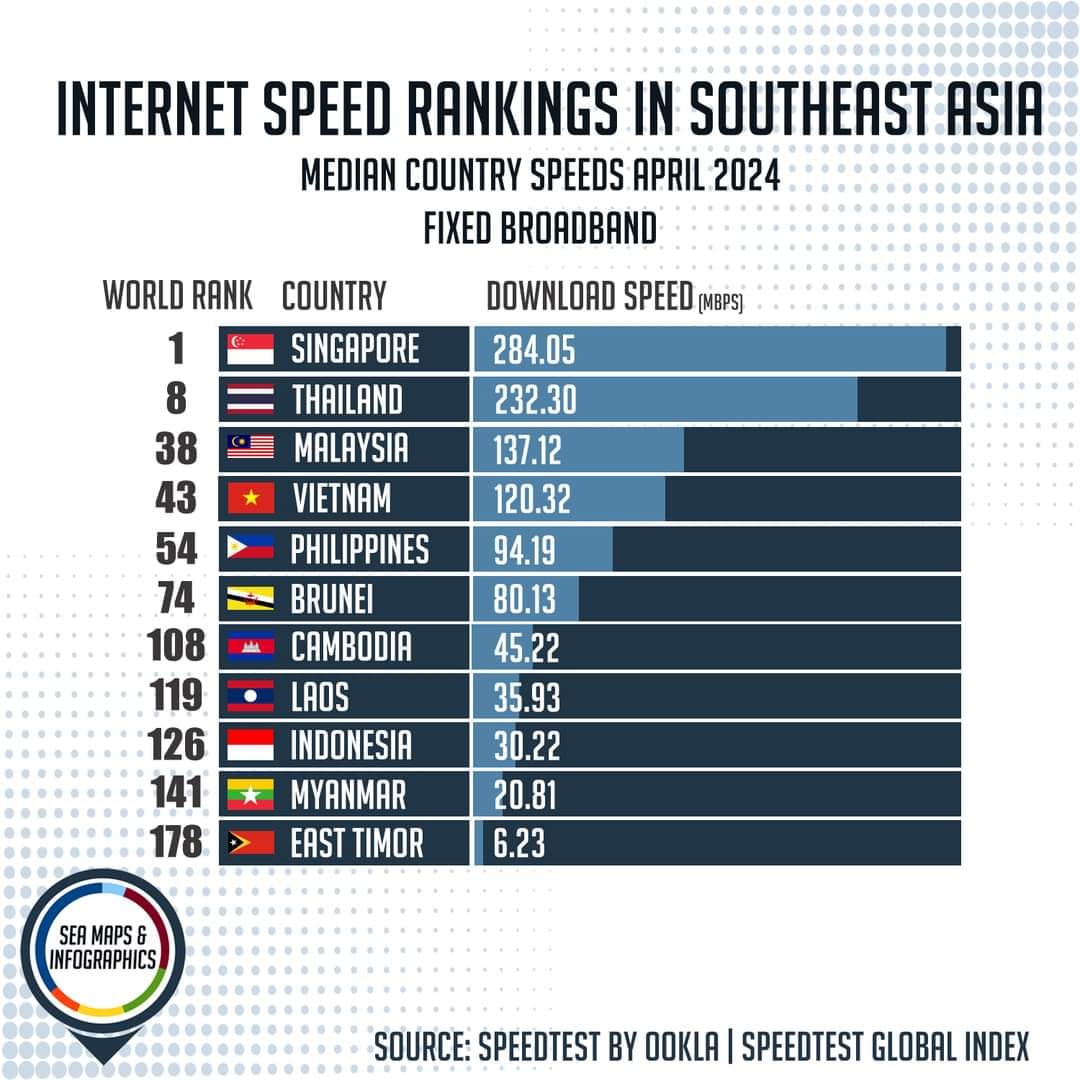
According to the Expat Insider study, Vietnam still has room for improvement in certain aspects of the digital world, ranking 42nd out of 46, particularly regarding online administration or the digitalization of certain public services. The country generally ranks around the middle globally on these criteria.
This position is partly explained by administrative procedures that are sometimes not yet fully digitalized and by online payment systems that have long been less developed than in some neighboring countries.
However, the situation is evolving rapidly. For several years, Vietnam has been investing heavily in its digital infrastructure and in developing its digital economy. Today, the country has a widely available internet network, with fiber optic connections in most major cities and extensive mobile coverage.
4G is now widespread and 5G is gradually being rolled out in major metropolitan areas such as Ho Chi Minh City and Hanoi. Connection speeds are generally sufficient for most professional uses, including digital jobs.
Many expatriates working in digital sectors — developers, consultants, designers, marketing specialists, or SEO experts — carry out their work from Vietnam without particular difficulty. The numerous coworking spaces in major cities also provide stable and fast internet connections.
The country is also experiencing spectacular growth in its digital economy. E-commerce, fintech, mobile payment platforms, and online services are expanding rapidly, supported by a young and highly connected population.
In practice, while some international platforms may occasionally experience slowdowns, the level of connectivity remains largely sufficient for web-related work or for pursuing a digital nomad lifestyle.
In other words, even though improvements are possible, digital access in Vietnam is no longer a significant barrier for expatriates working in digital fields.
5. Language
It’s no surprise: with its six tones and a linguistic structure very different from European languages, Vietnamese is generally considered relatively difficult for foreigners to master.
For this reason, the country ranks in the second half of international expatriate language rankings. In the 2025 Expat Insider study, Vietnam ranks 34th, behind countries where English is much more widely spoken.
Fortunately, the situation is improving rapidly. Vietnam is now one of the Asian countries where foreign language learning is progressing fastest. English is taught from an early age in the education system and has become an essential skill for many jobs in tourism, international trade, and foreign companies.
In major cities like Ho Chi Minh City, Hanoi, or Da Nang, a large portion of the younger generations now have functional English skills. According to various international estimates of English proficiency, Vietnam is considered an intermediate level country, with urban populations often able to communicate with foreigners in daily life.
In restaurants, hotels, international companies, coworking spaces, or places frequented by expatriates, it is generally possible to get by in English without too much difficulty. However, in some administrative offices or rural areas, the language barrier can still be more pronounced.
For expatriates who wish to integrate more fully, learning some basic Vietnamese is obviously a valuable asset. The good news: Vietnamese courses are relatively affordable, and many language schools now offer programs specifically designed for foreigners.
Over time, many expatriates discover that even a few words of Vietnamese can help create a warmer connection with the local population, which is known for its hospitality and curiosity towards foreigners.
6. Travel and Transportation
Compared to some neighboring countries like Thailand, Singapore, or Malaysia, Vietnam has long lagged in transportation infrastructure. For many years, the country’s major cities faced extremely rapid urban growth without having public transport networks as developed as those in Bangkok, Kuala Lumpur, or Singapore.
However, the situation is gradually improving. Vietnam is investing heavily in infrastructure to support its economic growth and the rapid urbanization of its major cities. Roads, highways, rail lines, urban metros, and airports are now undergoing numerous modernization or construction projects.
In Hanoi, the first metro line (Line 2A Cat Linh – Ha Dong) entered service in 2021 after several years of construction. A second major line, Line 3 (Nhon – Hanoi Railway Station), is expected to gradually open in the coming years. Several other lines are also planned to eventually form a fully modern urban transport network.
In Ho Chi Minh City, the first metro line (Ben Thanh – Suoi Tien) has finally reached its final phase after more than a decade of work. It should partially relieve congestion along the city’s eastern axis and marks the first stage of a future metro network that will include several additional lines over the long term.
In parallel, Vietnam is also developing its air transport infrastructure. The new Long Thanh International Airport, located about 40 kilometers from Ho Chi Minh City, is currently under construction and is expected to become one of the largest air hubs in Southeast Asia in the coming decades. Eventually, it will help relieve the overcrowded Tan Son Nhat Airport.

Despite these infrastructure challenges, Vietnam benefits from a highly strategic geographic location in the heart of Asia. From Ho Chi Minh City or Hanoi, it is possible to reach many major regional destinations in just a few hours.
Cities such as Bangkok, Singapore, Kuala Lumpur, Hong Kong, or Taipei are reachable in less than three hours by flight. Japan, South Korea, India, or some major Australian cities are less than six hours away.
This central location makes Vietnam an excellent base for expatriates wishing to travel regularly in Asia. The presence of low-cost airlines in the region also makes it easy to find flights at very attractive rates.
For many expatriates, this travel convenience is a major advantage of living in Vietnam: weekends in Bangkok, vacations in Japan, or getaways in Indonesia become much more accessible than living in Europe.
Thinking about moving abroad? You can consult the full Expat Insider 2025 study to form your own opinion.
Want to settle in Saigon? Read our article on the cost and quality of life in Ho Chi Minh City.
Planning to start a business in Vietnam? Read our dedicated article, or contact us, and we will be happy to advise you on your future company’s communication in Vietnam!
Frequently Asked Questions
Is Vietnam a safe country? Will I feel secure?
Vietnam is probably one of the most peaceful and calming countries you could live in. Justice is strict with criminals, the death penalty is enforced, and there are very few firearms in circulation. Consequently, violent incidents are rare and rarely affect expatriate communities.
In Vietnam, you can walk safely anywhere in the country and its major cities at any time of day or night, whether you are a man or a woman. Naturally, as a developing country with many still living in poverty, thefts or pickpocketing are not nonexistent. Be mindful in crowded areas and tourist spots, but overall, you can feel safe in Vietnam.
Do I need to learn Vietnamese to settle in?
As anywhere, it is good practice to familiarize yourself with the local language. However, Vietnamese people are very open to foreigners, even if they do not master their language. The country and its people make significant efforts to speak English, which is becoming more widespread. In major cities, you can often get by in English in your daily life (restaurants, shopping, taxis, healthcare, etc.). The international community is well represented, giving you ample opportunity to interact with fellow expatriates from around the world, many of whom do not speak Vietnamese even after years in the country.
If you hold a managerial position with Vietnamese staff, your company will often provide some courses to facilitate your integration.
Is living in Vietnam inexpensive?
As we have seen above, the cost of living is one of Vietnam’s main advantages. Although growth naturally brings some inflation, Vietnam remains very attractive in terms of costs. For more information, see our article on the cost of living in Saigon.
Keywords: French in Vietnam, Expat Asia, Expat Vietnam, Expat Hanoi, Expat Saigon, Expat Ho Chi Minh, Living in Vietnam as a French national, Life in Vietnam.